
Whole-Home Repiping
Replace failing water lines in San Diego homes, for the whole house or just the part that needs it. We explain the options before you decide.
What is repiping, and do you need it?
Repiping means replacing the water supply lines that carry water to your fixtures, rather than patching one leak at a time. It can cover the whole home or only the section that is failing.
You likely need it when the problems are spread through the system: leaks that keep appearing in different places, falling water pressure, or rusty or discolored water. A single leak in otherwise sound pipe is usually a repair, not a repipe.
We start with an honest assessment, explain what we find in plain language, and lay out your options, including whether a spot repair would do. How much to replace stays your choice.
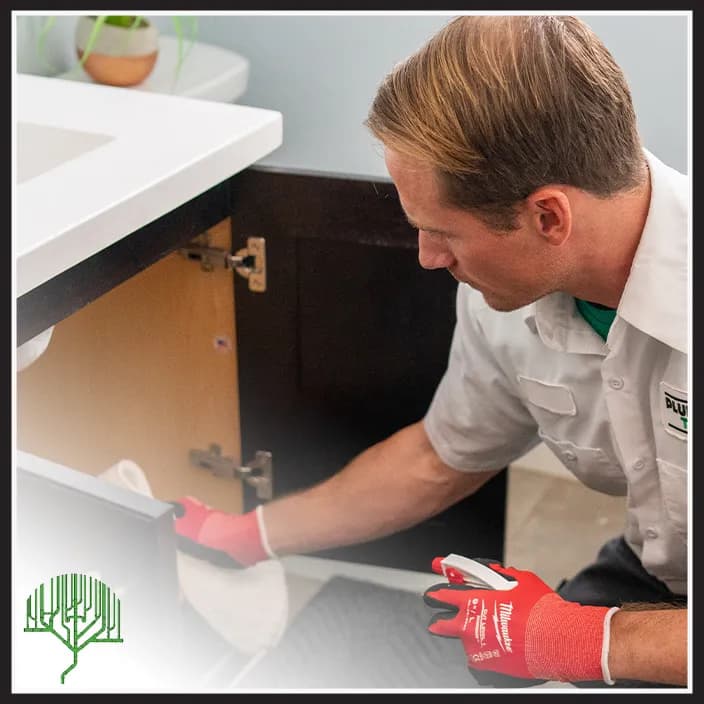
Piping & Repiping in San Diego
Quality Piping & Repiping Solutions in the Greater San Diego Area
Many San Diego homes have aging pipes that can lead to pinhole leaks, low water pressure, and even slab leaks. Dealing with rusty water or worrying about a burst pipe is stressful. You need a solution from a team you can trust.
Plumbing Tree has been a family and minority-owned business since 2013. We are committed to being your plumber for life. We offer warranties on all labor and parts, financing options, and a customer-first approach with no high-pressure tactics.
For piping and repiping services in San Diego, call (858) 859-9555 or text us today.
Signs Your Home May Need Repiping
Old pipes do not last forever. Galvanized steel and even copper pipes can wear out over decades, leading to serious problems. It is important to know the signs that your plumbing system is at the end of its life.
- Low Water Pressure: If your pressure has decreased over time, it is often due to buildup and corrosion inside old galvanized pipes.
- Rusty or Discolored Water: Water that comes out brown or yellow from the tap is a clear sign that your pipes are rusting from the inside.
- Frequent Leaks: One leak can be a coincidence, but multiple pinhole leaks in your copper pipes mean the whole system is getting weak.
- Visible Corrosion: Look at any exposed pipes in your crawl space or garage. Visible rust, flaking, or dimpling is a sign of decay.
- Slab Leaks: While a slab leak can happen for many reasons, it is often a sign that the aging pipes under your home are failing.
If you are experiencing these issues, our team can provide an honest assessment of whether a spot repair or a full repipe is the right solution.
Our Professional Repiping Process
We know that a repipe is a big project, and at Plumbing Tree, our goal is to make the process as smooth and transparent as possible. We treat your home with respect and focus on unmatched workmanship.
- Honest Consultation: We start by assessing your home’s plumbing. We will explain your options clearly, with no high-pressure sales. We want you to make an informed decision.
- Material Selection: We use high-quality materials, such as flexible PEX (cross-linked polyethylene), which is resistant to corrosion and pinhole leaks.
- Minimizing Disruption: Our skilled technicians are experts at replacing pipes with minimal impact. We make careful, precise openings rather than unnecessary damage.
- Professional Installation: Our team works efficiently to install the new piping system, ensuring all connections are secure and the system is up to code.
- Full Warranty: We are your plumber for life. We stand behind our work with warranties on all labor and parts, giving you long-term confidence.
We also offer flexible financing options to help make this important home upgrade manageable for your budget.
How Much Does Repiping Cost in San Diego?
The cost of repiping service in San Diego depends on several factors, including the size of your home, the number of plumbing fixtures, the choice of material, and the complexity of your plumbing layout. Homes with more bathrooms or multiple stories typically require a larger investment. Local labor rates, permit fees, and access challenges can also impact your project budget. We provide transparent, upfront estimates with itemized pricing so you can plan with confidence, and we never surprise you with hidden charges.
We know that a repiping project is a significant investment, so we offer flexible financing options to make the process more manageable for homeowners and property managers. Homeowners value our step-by-step cost breakdown and our practical guidance. We help you understand what factors impact pricing and recommend the most durable materials for San Diego’s unique environment, supporting the health and value of your property’s plumbing for years to come.
San Diego Plumbing Codes & Permit Requirements
Repiping projects in San Diego must comply with local plumbing codes and permit requirements. The city requires permits for whole-house repiping to protect safety and property values. Our team knows the permit process and coordinates applications before work starts, reducing delays or unexpected issues. We ensure all repiping installations meet or surpass the standards in the California Plumbing Code, using only approved methods and materials.
Meeting local codes not only protects your home and water quality but also helps with future property sales, since code-compliant upgrades serve as a benefit for homeowners and buyers. Inspections are a routine part of the process, and we keep you informed when city inspectors schedule their visits. Our understanding of San Diego building codes, along with established local relationships, helps you avoid common pitfalls for a plumbing system built to last in our region.
Tips for Preventing Future Drain Clogs
While professional drain cleaning resolves blockages, homeowners can take steps to prevent recurring issues. Routine maintenance and mindful drain use can greatly reduce the risk of clog formation.
Here’s how you can keep your drains running smoothly:
- Dispose of grease properly: Avoid pouring cooking oil or grease down the drain, and instead collect and discard it in a sealed container.
- Use drain strainers: Install strainers in sinks, tubs, and showers to catch hair, soap scum, and debris before they enter pipes.
- Run hot water regularly: Pouring hot water down drains weekly helps break down soap residue and minor grease buildup.
- Limit food waste in sinks: Even with a garbage disposal, avoid putting fibrous foods, coffee grounds, or eggshells down the drain.
- Schedule professional maintenance: Annual drain cleaning can prevent major blockages and keep pipes in top condition.
Taking these proactive steps can extend the life of your plumbing system and help prevent costly emergency drain issues. Educating household members about best practices and the common causes of clogs can further protect your plumbing from unnecessary strain.
San Diego’s Unique Plumbing Challenges
San Diego’s diverse population and varied architectural styles present unique challenges in plumbing services maintenance and plumbing repair. Many older homes in the area have outdated plumbing systems that are more susceptible to clogs and leaks. Additionally, the local climate, marked by dry seasons and sporadic heavy rains, can lead to increased debris buildup in outdoor drains and sewers.
At Plumbing Tree, we understand these local factors and tailor our drain clearing services to meet the specific needs of San Diego residents.
Several local factors shape plumbing outcomes and solutions in San Diego:
- Varied pipe materials: Homes in neighborhoods like La Jolla and North Park often have older cast iron or galvanized piping, which require different drain clearing approaches than newer PVC installations.
- Hard water deposits: Due to San Diego’s mineral-rich water, buildup can occur faster in pipes, contributing to recurring clogs, especially in coastal communities.
- Salt air corrosion: Proximity to the Pacific Ocean can accelerate corrosion of exposed outdoor plumbing and drain components.
- Vegetation and roots: Mature trees in areas like Mission Hills and University City can send roots into underground pipes, leading to blockages after storms.
San Diego neighborhoods—like North Park, La Jolla, and Pacific Beach—each have typical pipe materials and age profiles, so we account for those details when recommending preventive drainage solutions. We assess whether orangeburg, cast iron, or newer PVC piping is present before determining a maintenance plan, and our technicians keep detailed records about each system we service for ongoing support. This system-specific approach helps minimize disruptions and reduces the chance of recurring drain issues. If you live near the coast or in one of San Diego’s older neighborhoods, our team can help you adjust your drain cleaning schedule to address increased mineral buildup, salt intrusion, and vegetation common in those environments.
San Diego’s environmental focus also encourages many residents to seek eco-friendly water heaters options. We match our services with those values by using sustainable methods and materials wherever possible. Our commitment to environmentally conscious work benefits our clients, contributes to conserving resources, and helps protect local ecosystems. By choosing us, you are supporting a greener San Diego along with having your plumbing needs met.
Local Plumbing Regulations & Compliance
Operating within San Diego requires compliance with city and state plumbing regulations. These laws ensure that all plumbing work meets safety standards, protects public health, and supports environmental stewardship. At Plumbing Tree, we stay up to date on these regulations, making sure our services meet, and often exceed, all requirements. This proactive approach helps prevent legal complications from non-compliant work and ensures our customers have access to safe and sustainable options.
We help San Diego property owners navigate key plumbing code requirements:
- Permit checks and updates: Reviewing property records and city requirements before starting any drain clearing projects.
- Special handling for legacy plumbing: Identifying and addressing non-standard systems found in historic districts like Old Town San Diego.
- Explanation of code impacts: Advising clients on differences for multi-family or commercial properties and what’s needed for compliance with current building codes.
- Ongoing legal compliance: Keeping current with the latest San Diego Department of Building Inspection changes, so all work meets the newest standards.
Before starting any drain service in San Diego, our team reviews your property’s permits and checks for any updates to local building codes from the San Diego Department of Building Inspection. This process helps us identify legacy plumbing configurations that may need special handling during drain clearing appointments and ensures all work is performed to the latest standards.
Understanding local codes is especially important when dealing with older infrastructure that may not be updated to current standards. Our knowledge of both historical and modern regulations allows us to give advice and services that help retrofit existing systems while remaining compliant. We consistently train our team on changes to these laws, giving you peace of mind that all plumbing installations and repairs meet the necessary legal requirements.
Ready to upgrade your home’s plumbing system? Contact us at (858) 859-9555 or online to schedule a consultation.
Signs Your Property Needs to Be Repiped
Plumbing systems, like any feature of a home, have a limited lifespan. Recognizing the need for repiping helps you avoid costly repairs and maintain a safe, efficient water supply.
Several key indicators can signal that repiping is necessary, including:
- Discolored water: Rust-colored, brown, or yellow water often indicates corrosion inside your plumbing system. This corrosion can create leaks and lower water quality.
- Diminished water pressure: A noticeable drop in water pressure throughout your home may point to mineral buildup or corrosion restricting water flow in your pipes.
- Recurring leaks: Frequent leaks, either in pipes or fixtures, can signal a plumbing system nearing the end of its service life.
- Audible pipes: Banging or clanging sounds from pipes—known as “water hammer”—often result from loose or aging pipes and can lead to further damage.
If your home was built more than 40 years ago or if you notice any combination of these issues, it may be time to consider a full or partial repipe to avoid unexpected emergencies. Properties in San Diego that have never replaced their original plumbing are especially vulnerable to pinhole leaks in copper pipes or cracks in older galvanized lines. Upgrading aging pipes helps prevent property damage, water loss, and potential health risks related to corrosion or water contamination.
If you notice any of these signs, schedule a professional assessment. Plumbing Tree’s licensed plumbers have the knowledge and experience to conduct a detailed inspection and recommend appropriate solutions.
Clear Drains, Reliable Service in San Diego
Selecting the right piping material matters for the longevity and efficiency of your plumbing system. Each material offers unique qualities that may better suit specific needs and budgets.
Many older homes in San Diego were built with galvanized steel or polybutylene pipes that are prone to corrosion, leaks, and slab leaks. When you upgrade to modern piping materials—including copper, PEX, or CPVC—you lower the risk of future plumbing issues and may add value to your property. Your material choice also influences how your new pipes will perform in the local climate, whether you live near the coast or in areas with hard water.
Common piping materials used in modern plumbing systems include:
- Copper: Known for its durability and resistance to corrosion, copper remains a popular choice. It withstands high temperatures, making it suitable for both hot and cold water lines. Consider copper’s susceptibility to acidic water and a higher price point compared to other options.
- PEX (Cross-linked Polyethylene): PEX piping is flexible, making installation easier in tight spaces and around existing structures. Its resistance to freezing and bursting suits climates with temperature swings. PEX is also a cost-effective alternative to copper.
- CPVC (Chlorinated Polyvinyl Chloride): CPVC is a rigid plastic piping material recognized for exceptional resistance to heat and chemicals. It works well for hot water distribution and chemical processing applications.
Our experienced plumbers assess the requirements of your plumbing system and guide you in selecting the best piping material for your household. We consider factors such as water quality, budget, and intended lifespan to help you achieve the best long-term results.
We also factor in San Diego’s mineral-rich water, which affects pipe longevity. For homes on the coast, we recommend materials and installation methods that minimize the impact of salt air and help prevent future leaks or scaling. Our familiarity with regional building codes and permit requirements ensures your new system meets or exceeds all standards set for San Diego County properties.
How Long Does a Whole-House Repiping Project Take?
Estimating the length of a whole-house repiping project requires a careful look at your property’s specific features. Timelines typically span a few days to a week. The size and layout of your home determine the project scope. Larger or more complex plumbing systems naturally require more time to repipe. Pipe accessibility also matters—easily reached pipes speed up the process, while those hidden within walls or floors require more time for exposure and restoration.
Plumbing Tree conducts a comprehensive on-site evaluation before starting any repiping project. This assessment allows our team to accurately determine the scope of work, including the number of bathrooms and fixtures, unique architectural elements, and the piping material selected. We communicate a detailed project timeline before work begins, keeping you informed every step of the way.
Frequently Asked Questions About Piping & Repiping in San Diego
How do I know if repiping is necessary for my property?
Some common signs include rust-colored water, low water pressure, frequent leaks, or pipes that are more than 40 years old. Consult a licensed plumber to assess your system and provide recommendations.
Do I need a permit to repipe my home in San Diego?
Yes, repiping projects in San Diego generally require permits to comply with local building codes. Obtaining the correct permits helps ensure safety and may be necessary when selling your property in the future.
Can I stay in my home during a repiping project?
In most cases, you can remain in your home while the work is underway. Your plumber will discuss the timeline in advance, including any brief water shut-offs, so you can plan accordingly.
Warning signs worth an assessment
One of these on its own may be a simple repair. Several together, or the same one coming back, usually means the pipes themselves are wearing out.
Leaks in different places
One leak can be bad luck. New pinhole leaks showing up in different spots usually mean the pipe is thinning throughout the system.
Rusty or discolored water
Brown or yellow water from the tap, especially when it first runs, points to corrosion inside the pipes.
Falling water pressure
Pressure that has dropped across the house over time often comes from buildup narrowing the inside of older pipes.
Visible corrosion
Green or white crust, rust, flaking or dimpling on exposed pipe under the house or in the garage.
Repeated repairs
When you are calling a plumber for the same lines again and again, replacing them is often the better long-term value.
A slab leak
A slab leak can have several causes, but it is worth checking whether the rest of the piping is aging too.
What a repipe involves
Every repipe is different, but the order of work is the same.
Assessment
We look at your piping, its condition and your leak history, then explain in plain language whether you need a repair, a partial repipe or a whole-home repipe.
Your choice and a quote
We walk you through the options for your home, and you decide. Call (858) 859-9555 for a quote. No pressure to decide on the spot.
Permits and planning
We coordinate the permit where one is required and plan the work with you, including any water shut-offs, before anything starts.
New lines installed
We make careful, precise openings, install the new piping, and make sure every connection is secure and the system is up to code.
When a partial repipe makes sense
Replacing only part of the system is often enough when the trouble is confined to one area.
- Leaks and corrosion are limited to one run or one part of the house
- One section was installed in a different, problem material
- A remodel already opens up one area of the home
- The rest of the piping is in good condition
When a whole-home repipe makes sense
Replacing everything at once is usually the better value when the problems are spread through the system.
- Leaks keep appearing in different parts of the house
- Discolored water or low pressure at most fixtures
- The original piping has never been replaced
- Several partial repairs already, with more coming
How we help you choose
There is no single right answer for every home. The better approach depends on how your existing pipes are laid out, how easy they are to reach, your water, your budget and how long you plan to stay.
We explain those trade-offs for your home specifically, answer your questions, and then let you decide. Either way, the work is done by licensed California C-36 plumbers (#981489) who have served San Diego County since 2013.
Repiping FAQs
How do I know if my house needs repiping?
What happens during a repipe?
Can I repipe part of my house instead of the whole thing?
Does one pinhole leak mean I need to repipe?
Will repiping mean opening up my walls?
How much does it cost to repipe a house in San Diego?
Request a repiping assessment
Tell us what is happening with your pipes, and we will get back to you to schedule. Plumbing Tree serves homes and businesses throughout San Diego County.
Prefer to talk? (858) 859-9555
Tired of patching the same pipes? Talk to us about a repipe
Licensed California C-36 plumbing contractor #981489, serving San Diego County since 2013. Your Plumber For Life.